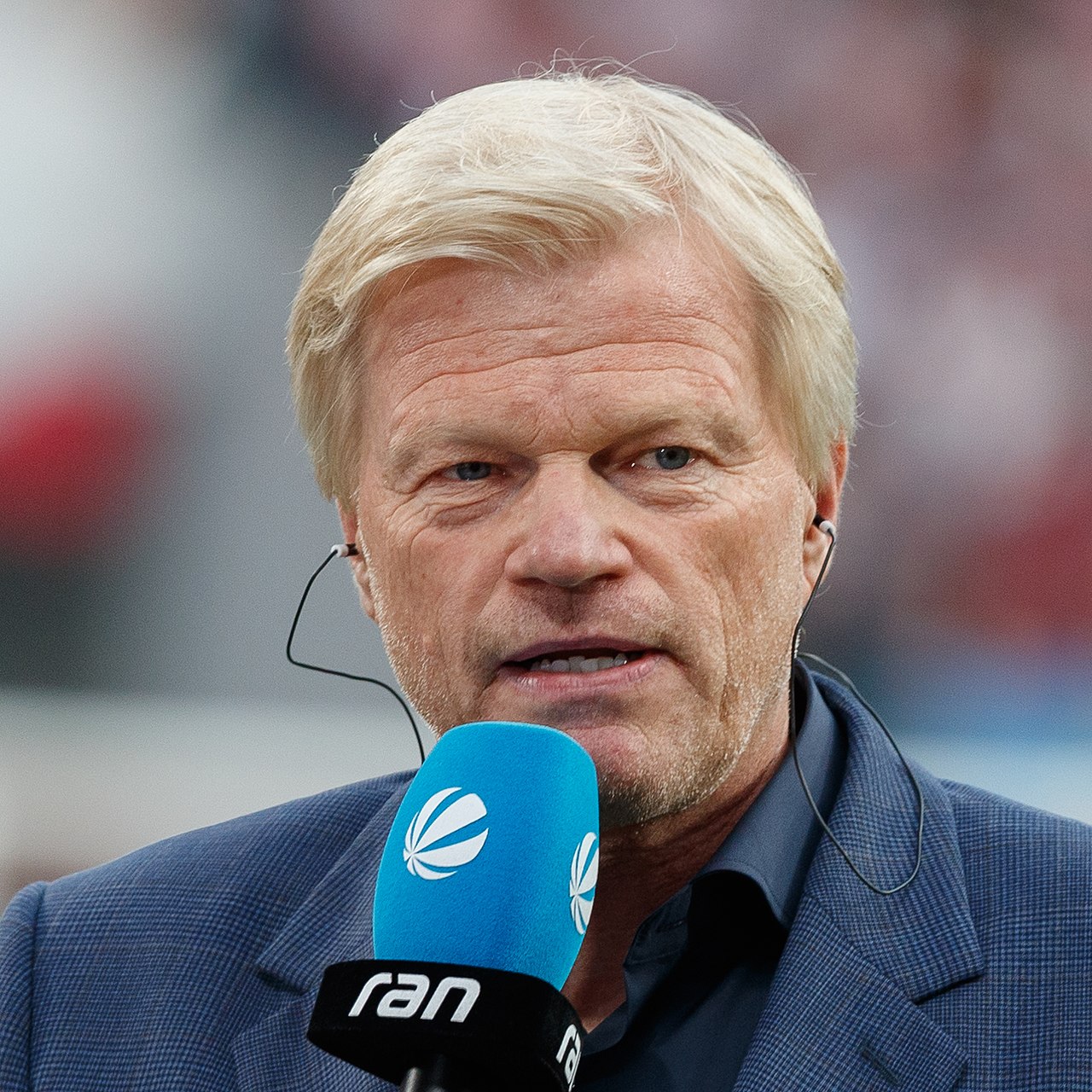
Inside Oliver Kahn's Creative Sané Motivation on Fußballtalk
In the high-stakes world of professional football, where immense talent often collides with immense pressure, finding the right motivational trigger for every player is an art form. Rarely do we get such a candid glimpse into this intricate process as we did recently when former Bayern Munich CEO and legendary goalkeeper, Oliver Kahn, appeared on "Triple – der Hagedorn Fußballtalk." Kahn's revelation about his unique approach to inspiring winger Leroy Sané has not only captured headlines but also offered profound insights into the psychology of elite sports and leadership. His now-famous declaration, "If I had your talent, I'd be Messi," wasn't just a casual remark; it was a carefully calculated challenge designed to unlock the untapped potential he saw within Sané.
Kahn, known for his relentless drive and unyielding will to win during his playing days, transitioned into a demanding executive role at Bayern. His tenure saw him tasked with overseeing not just the club's financial and strategic direction, but also fostering a winning culture that extended to individual player development. It was in this context that he frequently encountered the conundrum of Leroy Sané – a player of breathtaking skill, speed, and dribbling ability, yet one often criticised for inconsistency, perceived lack of effort, or questionable body language. Kahn's strategy, as detailed on the Oliver Kahn's Bold Messi Challenge to Leroy Sané Revealed, was not to chastise but to ignite, using the ultimate benchmark in football to spur Sané towards his personal zenith.
The Unforgettable Exchange on Triple – der Hagedorn Fußballtalk
The incident Kahn recounted on "Triple – der Hagedorn Fußballtalk" provides a fascinating window into his direct and often confrontational leadership style. He described a recurring "issue" with Sané, stemming from the player's sporadic performances and the nagging feeling that he wasn't consistently delivering on his prodigious talent. It was during one of these candid conversations that Kahn delivered his bombshell statement.
“With Leroy, we always had this issue,” Kahn explained on the Sky program. “I told him, ‘If I had your talent, I’d be Messi.’ He just looked at me with big eyes. He didn’t really know what to say. So I told him, just go out and show it.” This isn't your typical pat-on-the-back motivation. It's a seismic challenge, delivered with the full weight of Kahn's authority and belief. The comparison to Lionel Messi, arguably the greatest footballer of all time, is audacious and could easily be perceived as overwhelming. Yet, Kahn's intention was clear: to shock Sané into realizing the immense capabilities he possessed and the responsibility that came with them. It highlighted a stark gap between Sané's raw ability and his actual output, urging him to bridge that divide with mental fortitude and consistent application.
The fact that Sané was frequently criticised for his mentality and inconsistency during his Bayern spell makes Kahn's intervention all the more pertinent. While his statistical output ��� 61 goals and 55 assists in 223 appearances – was respectable, many felt he could offer more, given his extraordinary gifts. Kahn's comment on the Fußballtalk show wasn't about belittling Sané, but rather pushing him to understand the chasm between good and truly great, suggesting that the differentiator wasn't talent, but mentality.
Kahn's Maverick Motivation: Beyond Standard Coaching
Oliver Kahn's approach with Leroy Sané reveals a maverick leadership style rooted in his own experiences as an elite athlete. As "The Titan," Kahn was known for his fierce competitiveness, unwavering focus, and an almost brutal honesty. He understood that true greatness isn't just about natural ability; it's about the relentless pursuit of perfection, the mental resilience to overcome setbacks, and the consistent application of one's gifts. His motivational tactics, as seen on the Kahn Explains Sané's Untapped Potential: "You Could Be Messi", were never sugar-coated.
Comparing Sané to Messi wasn't just hyperbole; it was a potent psychological tool. It conveyed an unparalleled level of belief in Sané's innate talent while simultaneously setting an astronomical standard. For a player who was perhaps comfortable operating just below his ceiling, this kind of direct, almost provocative challenge could be exactly what was needed. It forced Sané to confront not just his performances, but his entire approach to the game. It’s a stark reminder that sometimes, the most effective motivation comes from painting a clear, albeit challenging, picture of what's truly possible.
The Psychology of the Challenge:
- Direct Confrontation: Kahn didn't hint; he stated his belief unequivocally, leaving no room for misinterpretation.
- High Expectation Setting: By invoking Messi, Kahn set the highest possible bar, implying Sané had the raw materials to reach it.
- Focus on Mentality: The "If I had your talent..." part subtly shifted the emphasis from talent (which Sané clearly had) to mentality, identifying the perceived missing link.
- Empowerment Through Belief: Despite the bluntness, the underlying message was one of profound belief in Sané's potential, empowering him to take control of his destiny.
The Battle for Consistency: Sané's Bayern Journey
Leroy Sané's time at Bayern Munich, despite its successes, was often a microcosm of the challenges faced by many highly talented players. He arrived with immense expectations, having already proven his mettle at Manchester City. Yet, the persistent whispers about his inconsistency, his body language, and a perceived lack of the "killer instinct" plagued his tenure. It's a common dilemma in football: how to extract maximum, consistent performance from players who possess flashes of brilliance but struggle to maintain it over entire seasons.
Sané's statistics at Bayern – 61 goals and 55 assists in 223 appearances across all competitions – are undeniably impressive. However, for a player often touted as a generational talent, the discussion frequently revolved around what he could be, rather than what he consistently was. The criticism he received wasn't necessarily about a lack of effort but rather a perceived inability to consistently harness his incredible gifts, especially in crucial moments. This created a fertile ground for someone like Kahn to step in with his unique brand of motivation. Sané, 30, eventually left Bayern on a free transfer last summer to join Galatasaray, seeking a new chapter in his career.
This situation underscores a crucial point: raw talent, while essential, is only one component of elite performance. Mental strength, unwavering dedication, tactical discipline, and a consistent winning mentality are equally, if not more, vital for athletes to reach and sustain the pinnacle of their sport. Kahn''s intervention on "Triple – der Hagedorn Fußballtalk" was a direct attempt to instill this holistic understanding in Sané.
Lessons from the Locker Room: Applying Kahn's Wisdom
Oliver Kahn's candid sharing on the Fußballtalk show offers valuable lessons not just for football players and coaches, but for leaders and individuals in any competitive field. It's a masterclass in direct communication, belief, and the art of unlocking dormant potential.
For Coaches and Leaders:
- Know Your People: Kahn understood Sané's personality and potential. Effective motivation requires deep insight into the individual.
- Dare to Be Direct: Sometimes, the most impactful feedback is the most blunt. Avoiding uncomfortable truths can hinder growth.
- Set Ambitious Benchmarks: Challenging individuals with high, yet attainable (with effort), standards can inspire extraordinary performance.
- Underline Belief: Even in blunt criticism, convey an underlying belief in the individual's capability to improve. Kahn's "If I had your talent..." was ultimately a huge compliment.
- Focus on the Gap: Help individuals identify the specific gap between their current performance and their potential, often highlighting the mental aspect.
For Athletes and Individuals:
- Self-Reflection is Key: Honestly assess where your potential meets your current output. Are you leaving something on the table?
- Embrace Constructive Criticism: Even harsh feedback can be a gift if it comes from a place of genuine desire for your improvement.
- Develop Mental Fortitude: Talent gets you in the door, but mentality keeps you at the top. Work on consistency, resilience, and focus.
- Define Your "Messi": Understand what your personal peak looks like and strive for it relentlessly, regardless of external comparisons.
Kahn's appearance on "Triple – der Hagedorn Fußballtalk" wasn't just an anecdote; it was a powerful case study in leadership. It demonstrated that sometimes, the most creative and impactful motivation comes not from gentle encouragement, but from a direct, audacious challenge that forces an individual to confront their own capabilities and commit to reaching their absolute best.
Conclusion
The insights shared by Oliver Kahn on "Triple – der Hagedorn Fußballtalk" provide a rare and valuable glimpse into the intricacies of elite sports motivation. His bold "If I had your talent, I'd be Messi" challenge to Leroy Sané was more than just a memorable quote; it was a calculated attempt to ignite a spark in a player whose immense talent was sometimes overshadowed by inconsistency. Kahn’s approach underscores the critical role of mentality in unlocking and sustaining peak performance, even at the highest levels of football. It reminds us that true leadership often involves pushing individuals beyond their comfort zones, believing in their potential even when they might not fully see it themselves, and providing the impetus to bridge the gap between inherent ability and world-class consistency. The enduring lesson from Kahn's candid revelation is that the pursuit of excellence demands not just skill, but an unyielding commitment to self-mastery, a lesson that resonates far beyond the football pitch.